
Stress and Anxiety Management and Resiliency Training: “Building Resiliency through Cognitive Reappraisal and Lifestyle Modification"

- posted: Aug. 19, 2025
Therapy for Stress and Anxiety in Barrie, ON
This information is in conjunction with the Benson-Henry Institute for Mind Body Medicine at Massachusetts General Hospital and Joanne Cantor, Registered Psychotherapist.
Stress and Anxiety Awareness
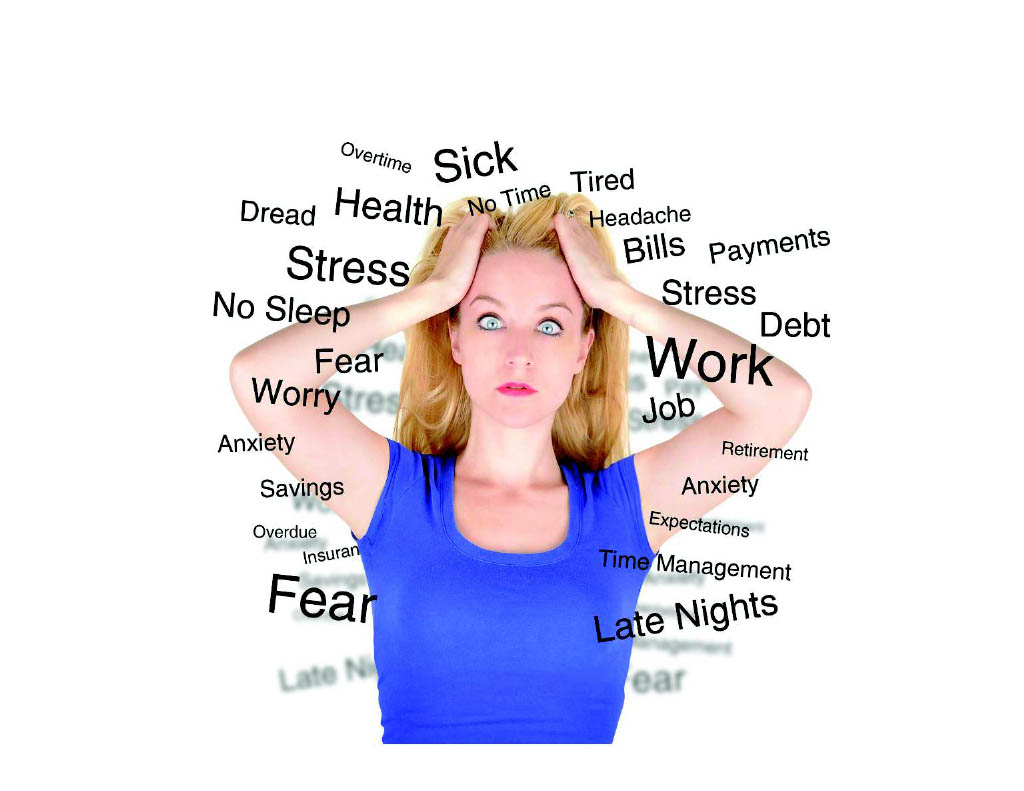
The blog begins by establishing a foundation of stress and anxiety awareness, followed by an examination of several adaptive strategies to potentially stress and anxiety-inducing situations. These strategies are based on four key concepts:
Cognitive Reappraisal and Coping Skills
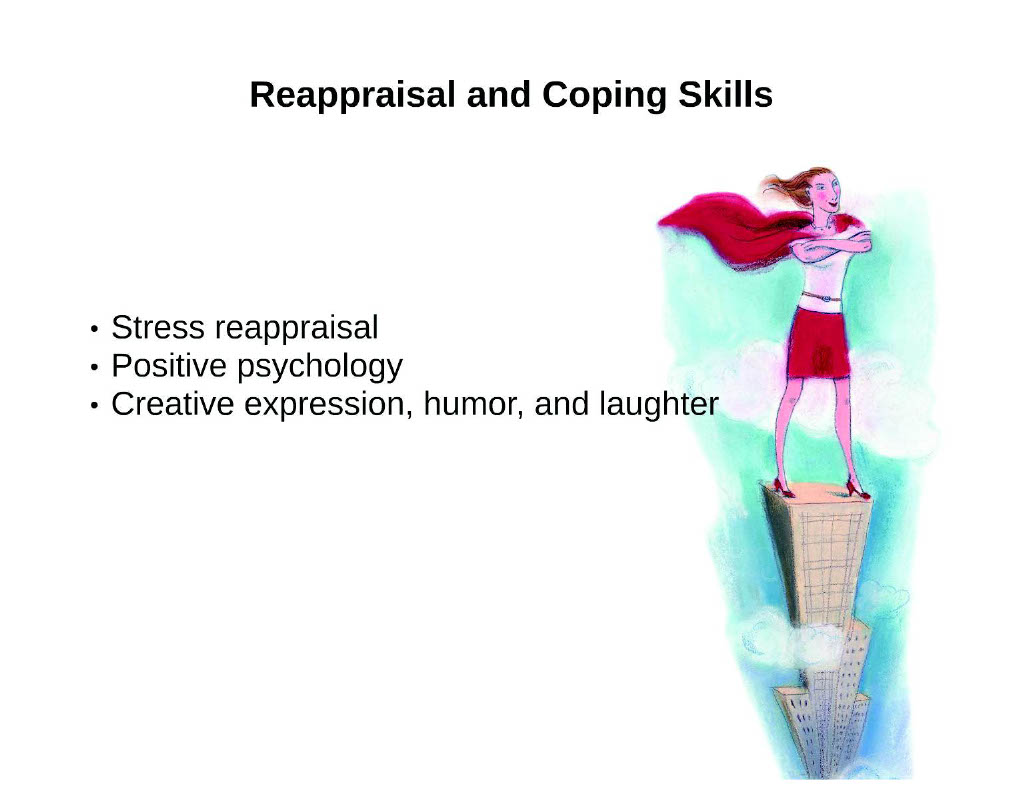
With roots in cognitive therapy this approach recognizes the link between thoughts and emotions and the crucial role they play in both the signaling of stress and anxiety, and the adaptive response of coping. A series of exercises help patients become more aware of their immediate responses to stressors and anxiety triggers, reflected in negative thoughts, emotions, physical sensations and behaviors. We then learn how to reframe our responses towards positive, adaptive thoughts, emotions, physical sensations and behaviors.
Positive Psychology
Our work also draws on the field of positive psychology, which emphasizes the expression of positive emotions and character strengths. Through a series of exercises and discussions, the cultivation of positive emotions will serve to not only buffer stress and anxiety, but enhance resiliency. We also address the unique features of creative expression, humor and laughter and the essential roles they play towards helping us build awareness and cope with stress and anxiety-related challenges and hardships.
Social Connectedness
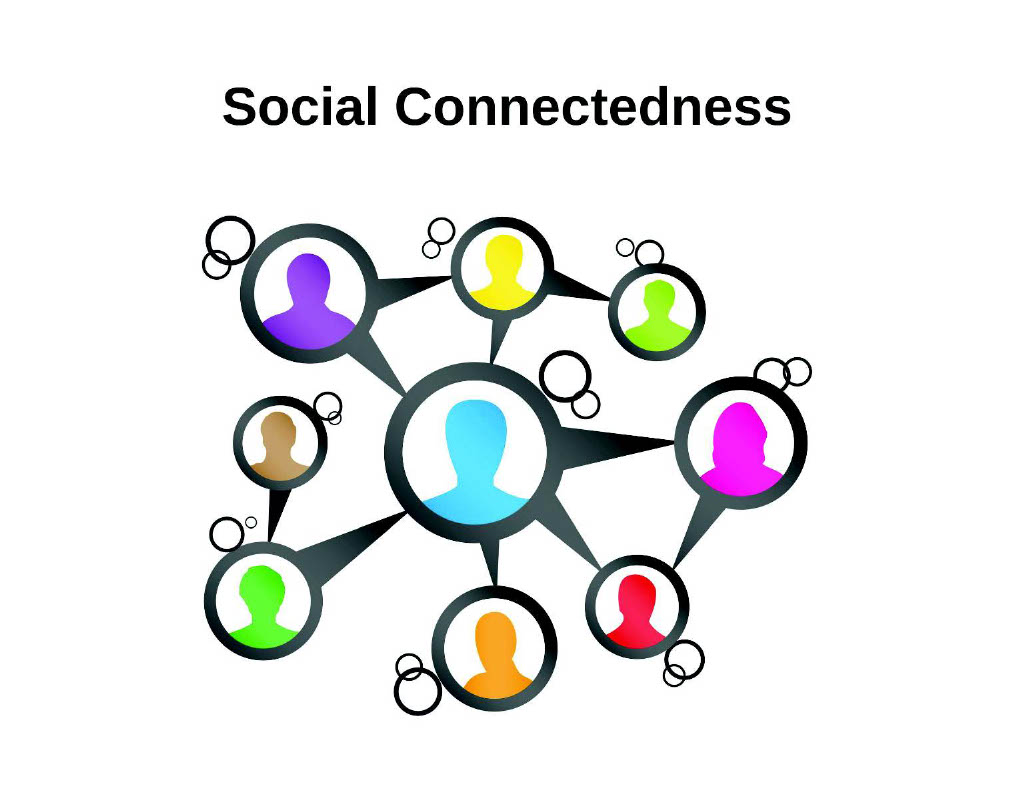
We encourage and support three social correlates of health: social support, social capital, and altruism. We will also present a brief overview of empathy as an essential quality embedded in all aspects of social connectedness for managing stress and anxiety. Through various exercises, we explore the different types of social support and ways to increase social capital.
Three Essential Lifestyle Behaviors
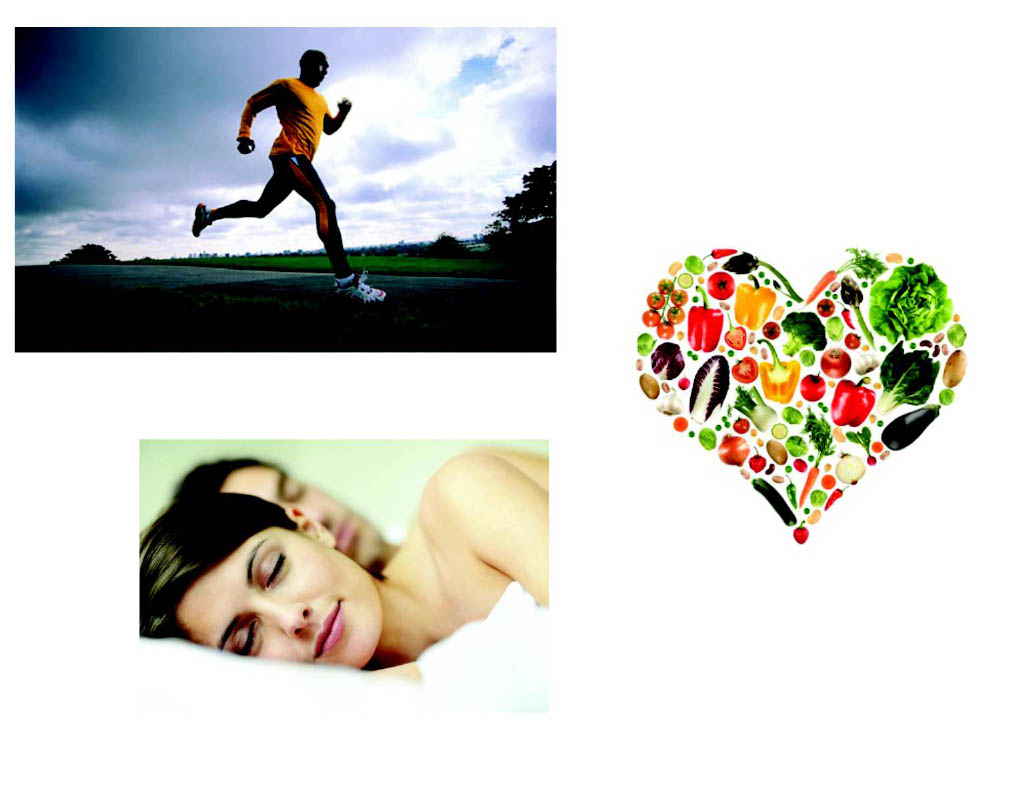
Aerobic activity, balanced nutrition, and restorative sleep. In discussing healthy lifestyle behaviors, we provide their underlying mind body interactions which when shared with clients, becomes a powerful motivator towards their daily adherence for stress and anxiety reduction.
Understanding Your Stress and Anxiety Response
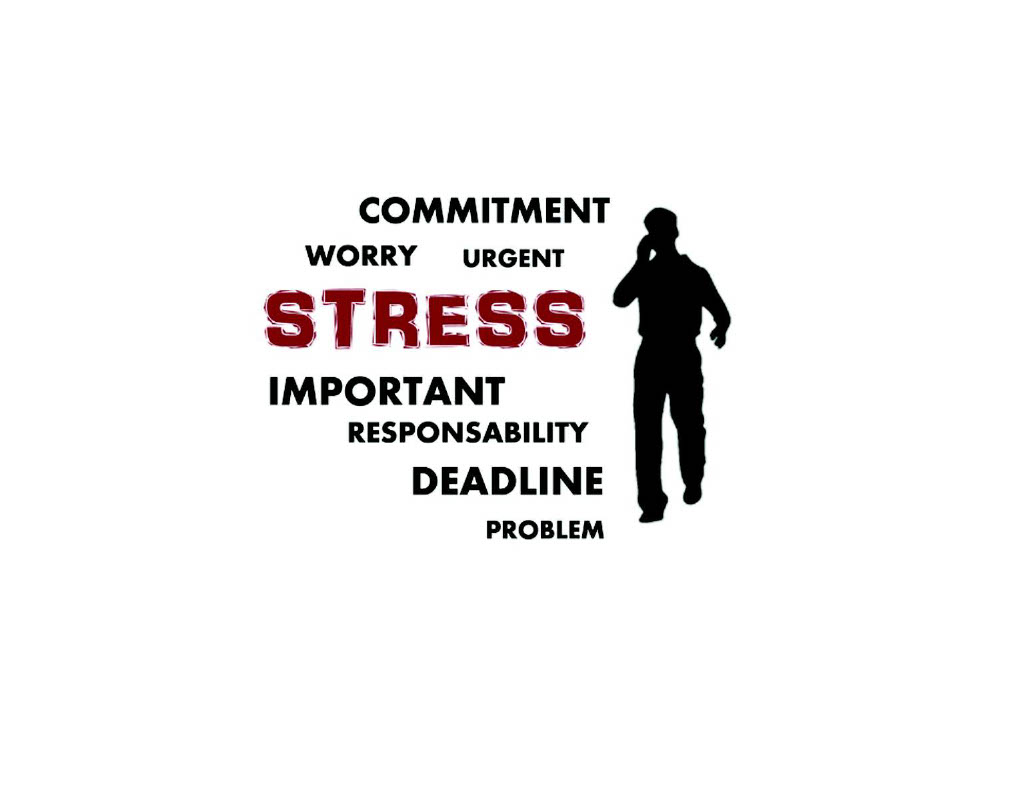
We start by building awareness of stress and anxiety triggers and personal reactions to stress.
Stress Awareness Exercises
- Energy Battery
- Stress Exposure: On a typical day notice the tone of communication your brain is exposed to by noting the percentages of communications (what you hear, read, or see) that are: negative, positive, and neutral.
- Awareness exercise: In 5 minutes list as many emotions as you can recall. Once done, count how many negatives versus positives. Were the negatives more easily recalled? Did you feel differently focusing on positives compared to the negatives?
- Biodot
- Coping Log- first four columns (Physical Sensations; Behaviors; Emotions; and Thoughts)
Energy Battery Exercise For Stress And Anxiety
A simple first step in understanding one’s own response to stress and anxiety can be accomplished through an exercise called the Energy Battery. Through this exercise, patients gain more awareness of what they find regenerating and what they find depleting in their lives.
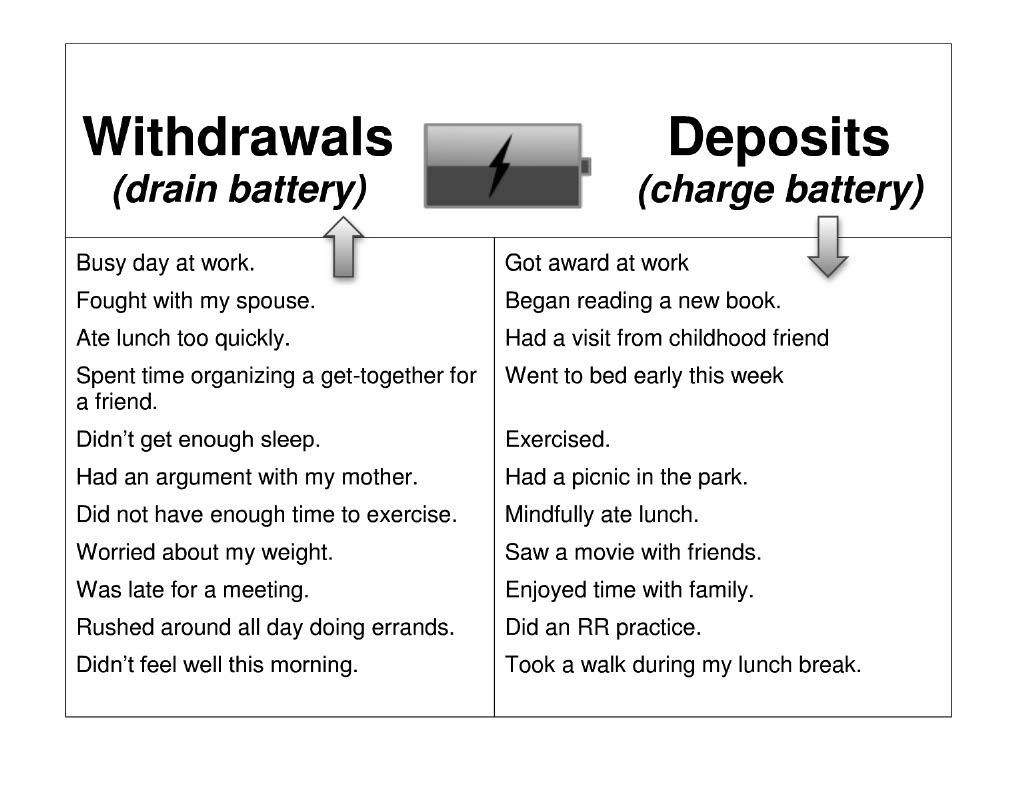
Inner resiliency can be thought of as a rechargeable battery. Similar to a battery, the amount of energy stored changes after certain events. In this example you’ll see listed a series of experiences that recharge, as well as a list of experiences that drain. Experiences that drain the battery include anything that depletes you in some way or, in other words, contributes to your stress and anxiety. Experiences that recharge your battery include anything that in some way relaxes you or, in other words, builds your resiliency.
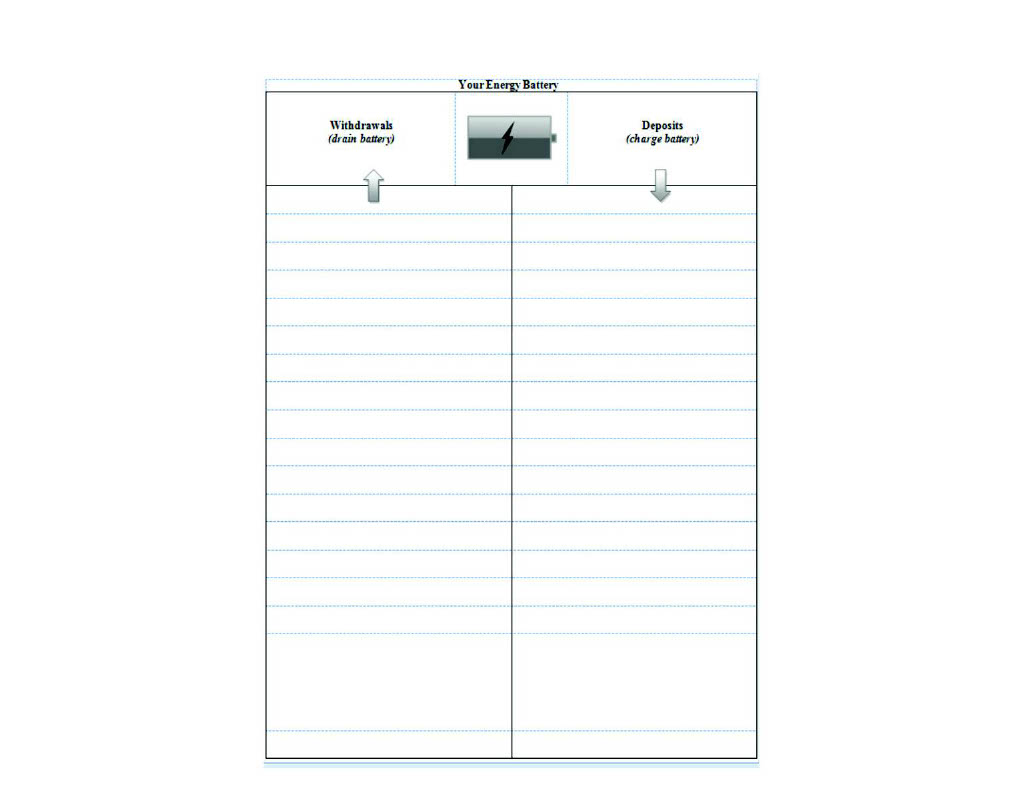
Please download and fill out the Energy Battery worksheet provided in the link provided here: On the depletion side of the worksheet, please list any stressors that drain you. On the recharging side, list those things that decrease your stress. This exercise should take about 10 minutes to complete. Afterwards, you may wish to reflect on your responses. For example, were there more depletions than recharges? Did the recharges seem to really revitalize you? Did you struggle to recall experiences that recharge you? Were recharges focused on doing something for someone else, rather than yourself?
Recognising Stress And Anxiety Warning Signals
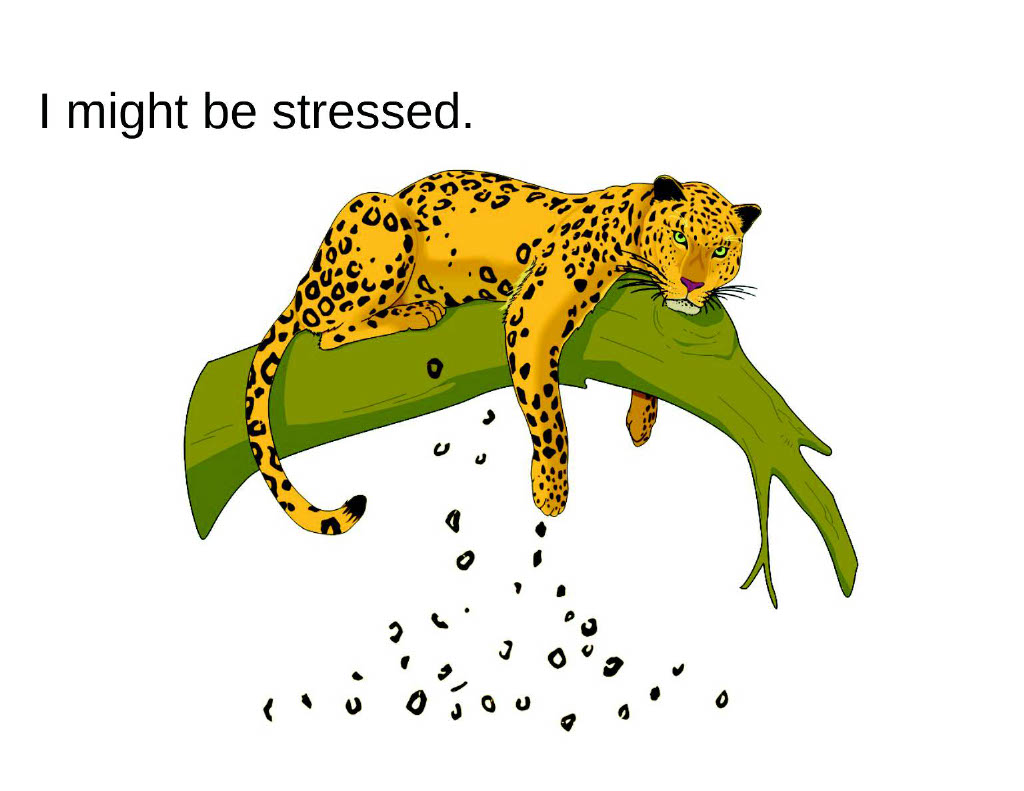
The first step of effectively responding to stress and anxiety is to recognize when we are stressed. Since our stress response is a habituated response, we often react with the same recurring physical signs, emotions, and behaviors, which we refer to as “stress and anxiety warning signals.” These cues signal to us that our stress response has been activated.
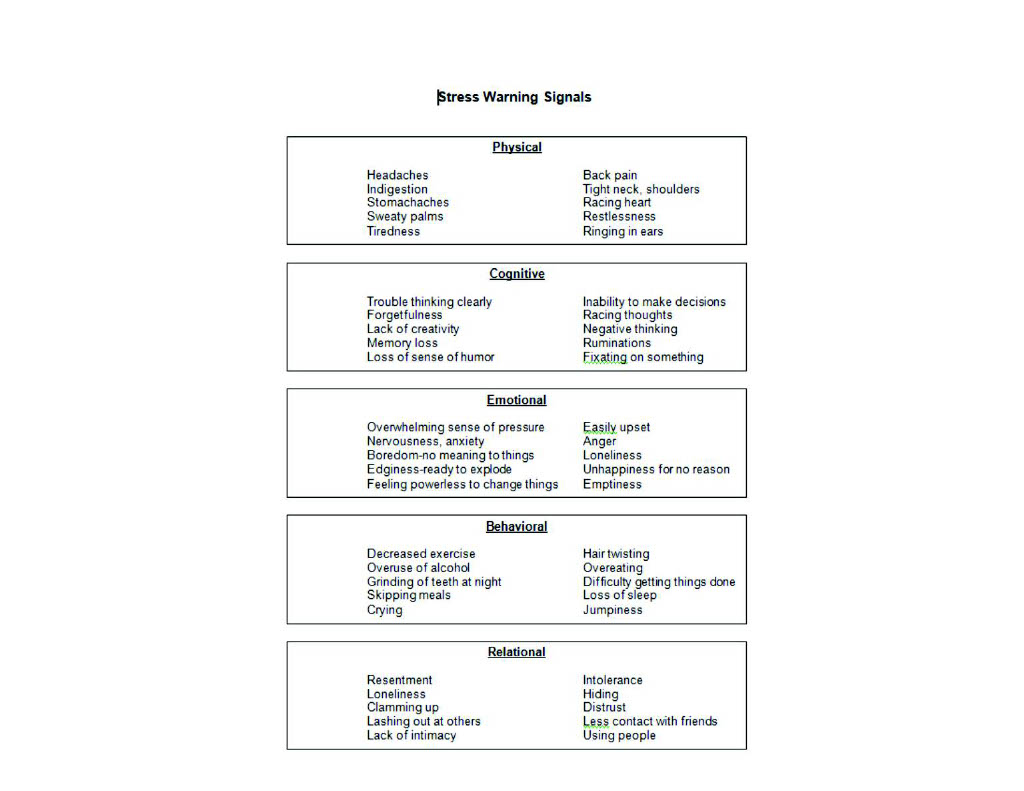
While stress-warning signals differ from individual, for the purpose of easily identifying these stress-warning signals, we have grouped them into five primary types: Physical, Cognitive, Emotional, Behavioral, and Relational. You will likely notice that warning signals fall into more than one category. It is fine to include the same signals in multiple categories. To begin, here’s a definition of each categories:
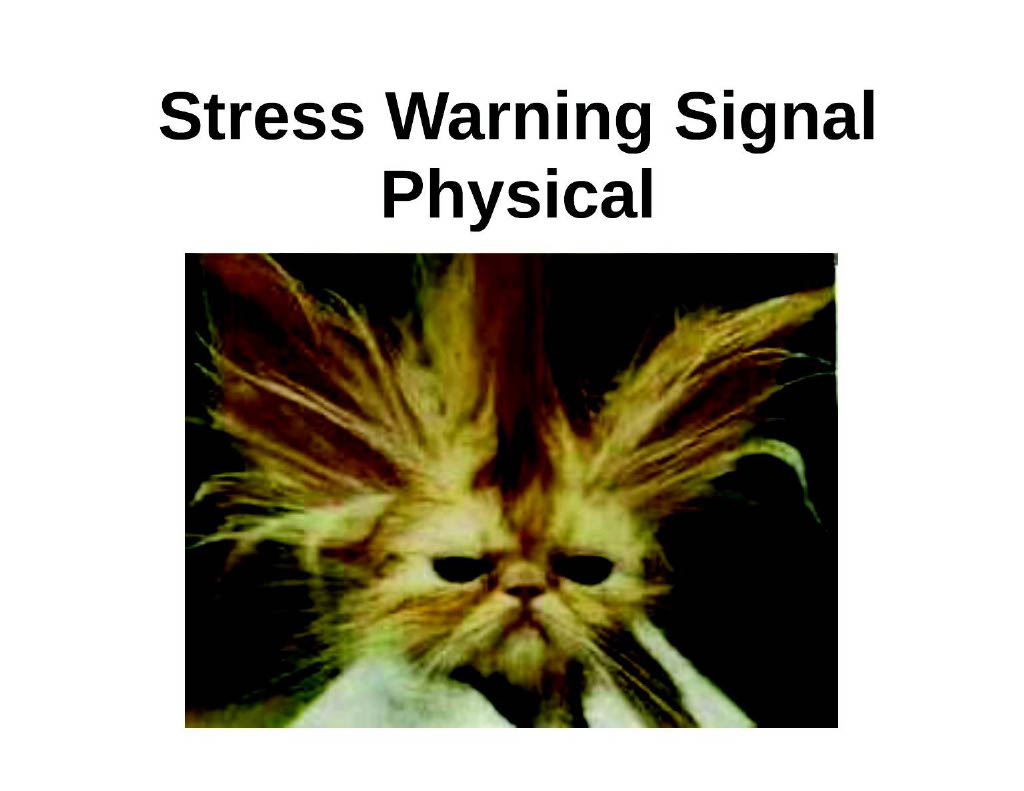 Physical: Bodily sensations and states experienced during stress or anxiety, such as headache, back pain, gastrointestinal difficulties, muscle tension, changes in appetite, and disrupted sleep patterns.
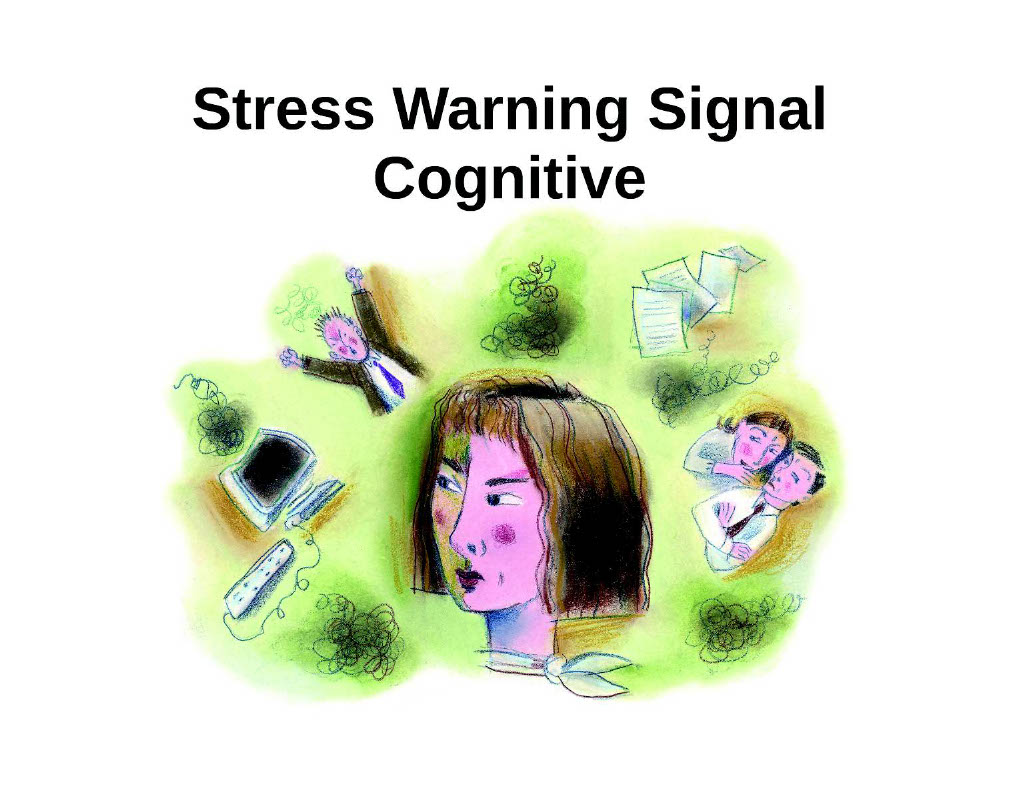 Cognitive: Negative thoughts reflecting some expression of threat, deficits in working memory, concentration, and regulation of mood and behaviors.
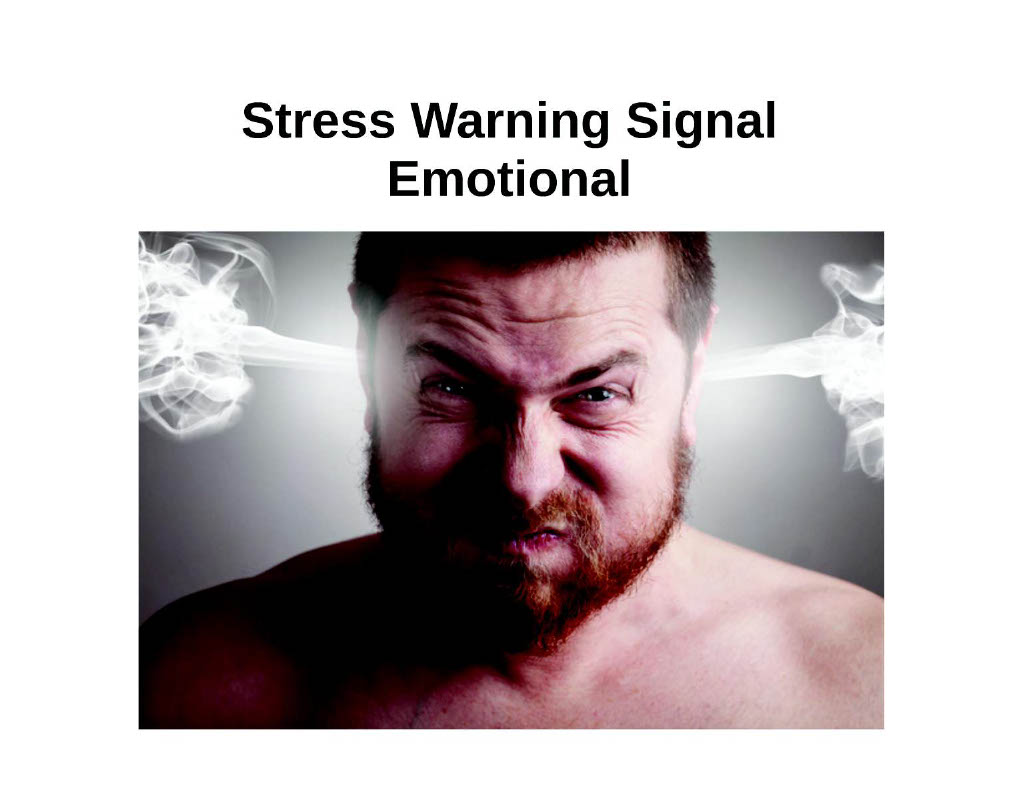 Emotional: Emotions derived from unique beliefs, such as anger from injustice, sadness from loss, and anxiety from lack of safety or control.
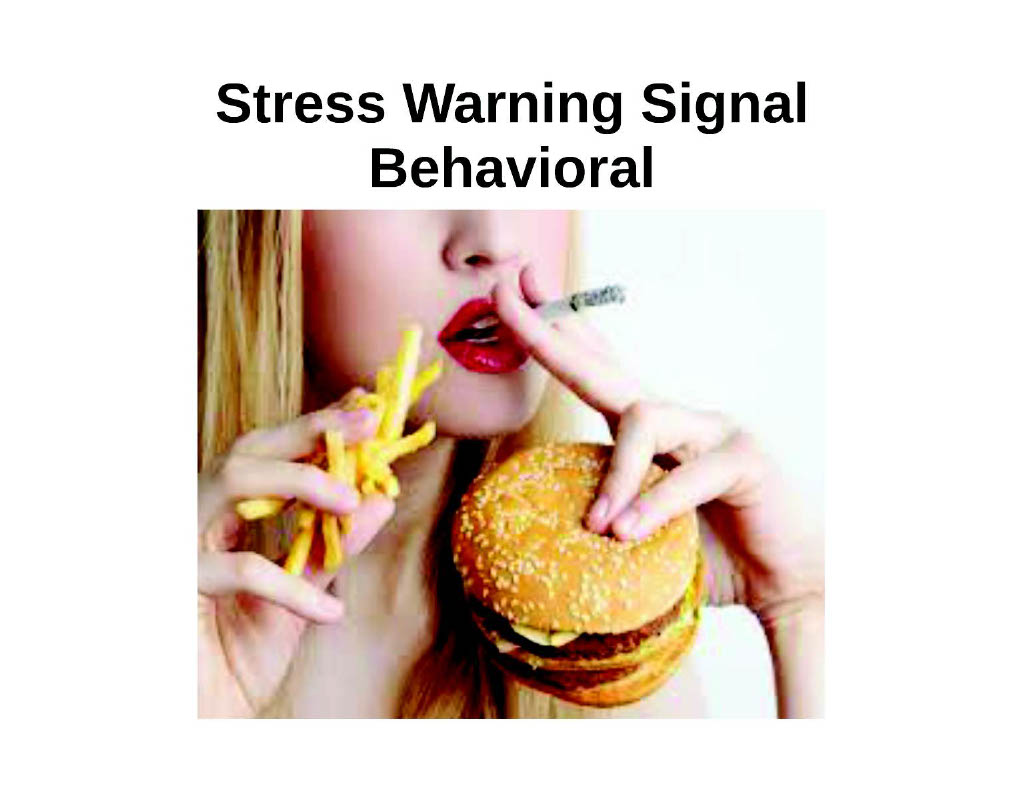 Behavioral: Desire to eat simple carbohydrates, loss of appetite, immediate gratification behaviors such as smoking or drinking alcohol.
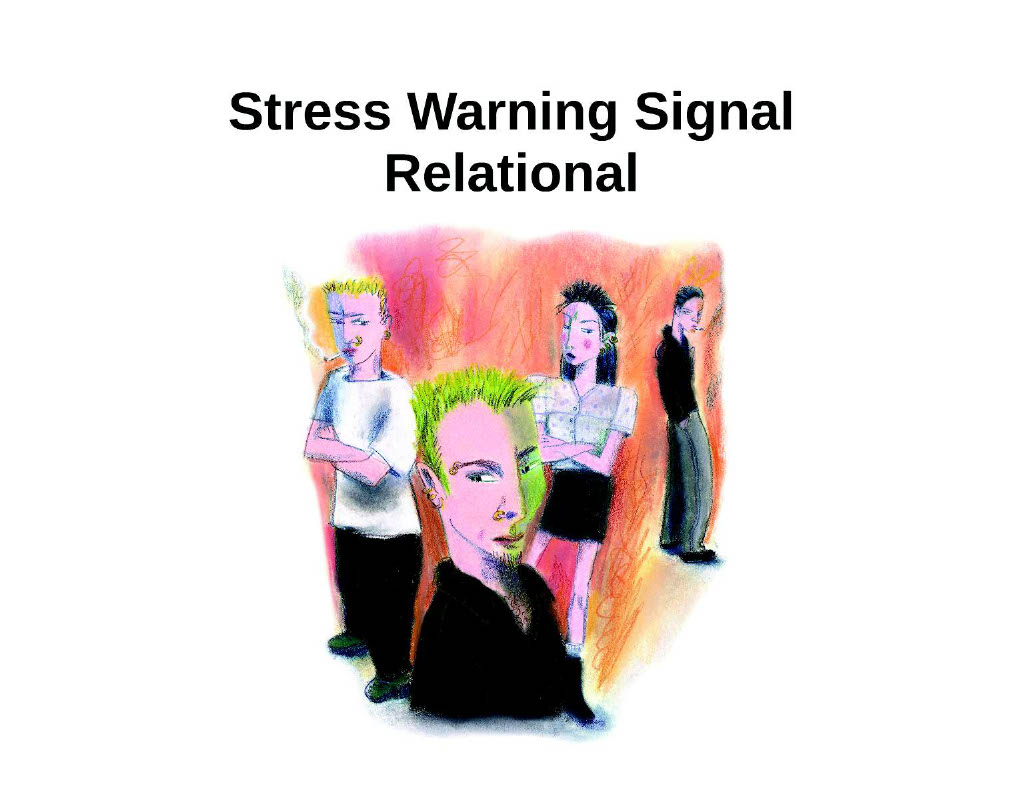 Relational: Sense of connectedness to self and others, isolation, distrust, or avoidance.
There is also a spiritual component to the stress or anxiety response, which may overlap any of the categories above. Spiritual refers to your general outlook with respect to the meaning and purpose of life, and connection to the world and the people around you.
Biofeedback With Biodots For Stress And Anxiety Monitoring
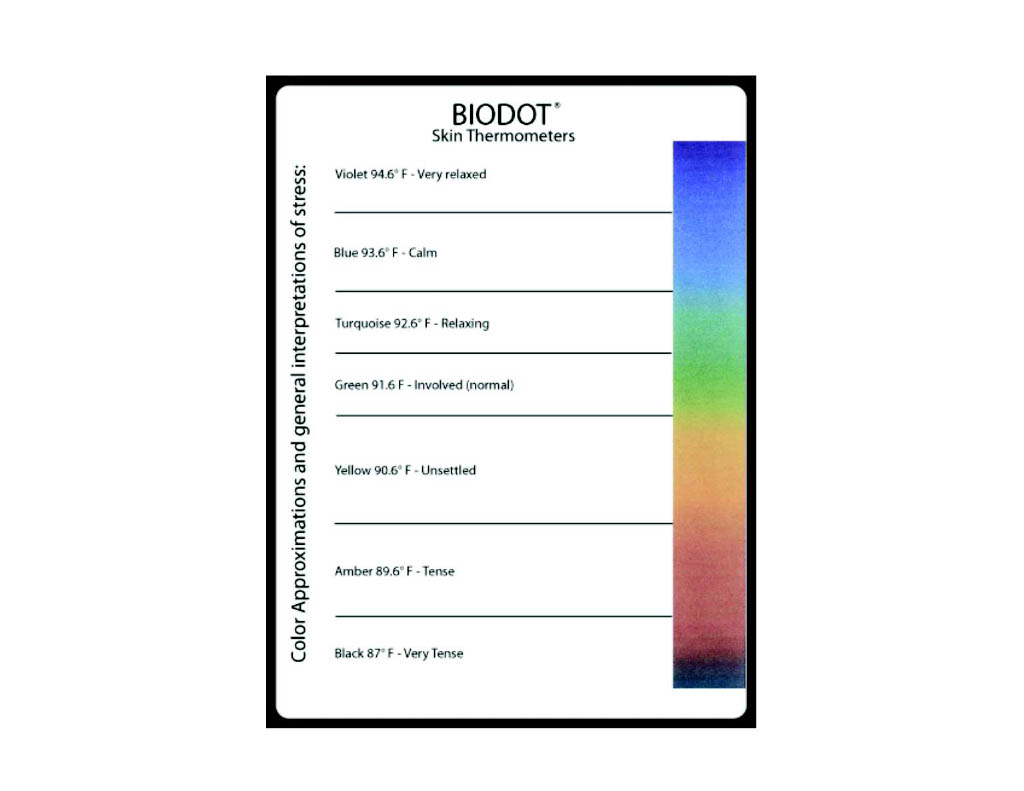
Another tool to help us monitor and build awareness of our stress or anxiety response is the biofeedback measurement called biodot. Biodots are inexpensive dots made up of liquid crystals that change color in response to changes in temperature. Using biodots can help to build awareness of how you feel, physically and emotionally, when you're relaxed and when you're tense.

BIODOTS are non-toxic and completely safe for use on any external part of the body. The dots are supplied with the range of colors that correspond to different temperatures. Amber is the cold end color while violet indicate a warmer temperature. Once the temperature goes above its warmest set point, the dot will return to amber. You can find the biodots at www.biodots.net
Here’s how they work:
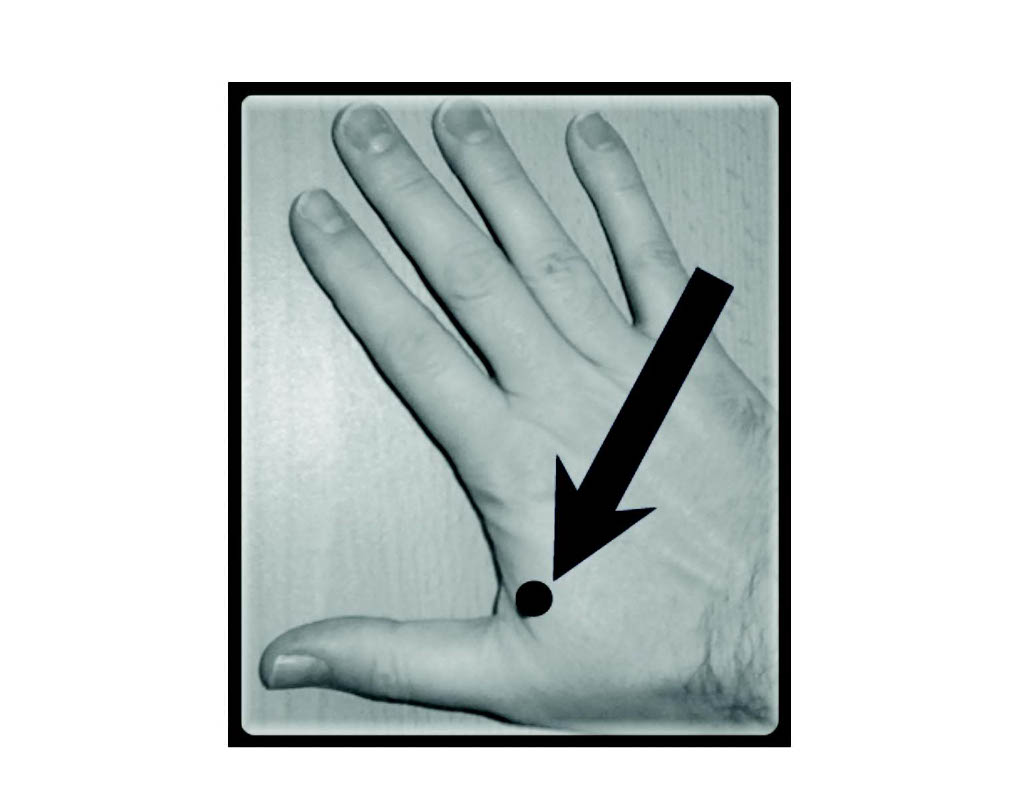 Place a biodot between your thumb and index finger or on your inner wrist just above the break of your hand. It stays on longer when placed on your non-dominant hand and we suggest you apply clear tape over it to anchor it in place. Try to leave the dot on during a typical day for at least 10 hours.
- If the temperature around you is very hot or cold, the dot will more likely reflect the temperature of your environment and not your body’s stress or relaxation response. The most important feature is to notice changes in the dot up or down its color grid while in the same environment.
- A change up the color grid towards warmer temperatures indicates more relaxation, while changes down the color grid towards the colder temperatures indicates more stress.
BIODOT EXERCISE
- Look at the dot at least once per hour, but especially when you feel relaxed or tense. To gather information, fill out these five categories of information each time you look at the dot:
- Time
- Stress/Anxiety level (merely note the color of the dot)
- Activity
- Emotions
- Physical sensation
Here's a link to the biodot exercise worksheet: https://biodots.net/

Purposeful Positivity to offset Stress And Anxiety
Stress and anxiety trigger negative thinking which can become habituated. To offset this tendency, we can practice purposeful positivity; mindful attention to positive emotions and sensations to build resilience and weaken habitual anxiety-driven responses.
One good way to raise this awareness is through an exercise called Identifying Emotions and Positive Physical Sensations. Spend five minutes listing any emotion you can think of. In the right column, spend five minutes writing all positive physical sensations you can think of. Upon review of the emotions, place a “plus” next to any positive emotion, and a “minus” next to any negative emotion. What do you notice about the balance between positive and negative emotions? We have found that most identify negative emotions at a 3:1 ratio over positives. Now look at your list of positive physical sensations. What did you notice? Was this a more difficult list to generate? Did you begin to run out of descriptors soon after identifying commonly-referred-to sensations such as cool, warm, kissed, and tickled? The take-away learning here is that language helps us focus, and since there is a dearth of language for positive physical sensations, our experience of them can be compromised. However, if we pay closer mindful attention to positive sensations we can increase our experience of them. Examples might be the taste of vanilla ice-cream, the feel of your child’s hand, and the sound of a flute. Using Mind Body Techniques, we delve into the many ways mindful awareness offset stress/anxiety and support resiliency. Although mindful awareness of any pleasant sensation will increase your experience of them while also providing the added benefit of offsetting stress.
THINK-FEEL-DO-CIRCLE
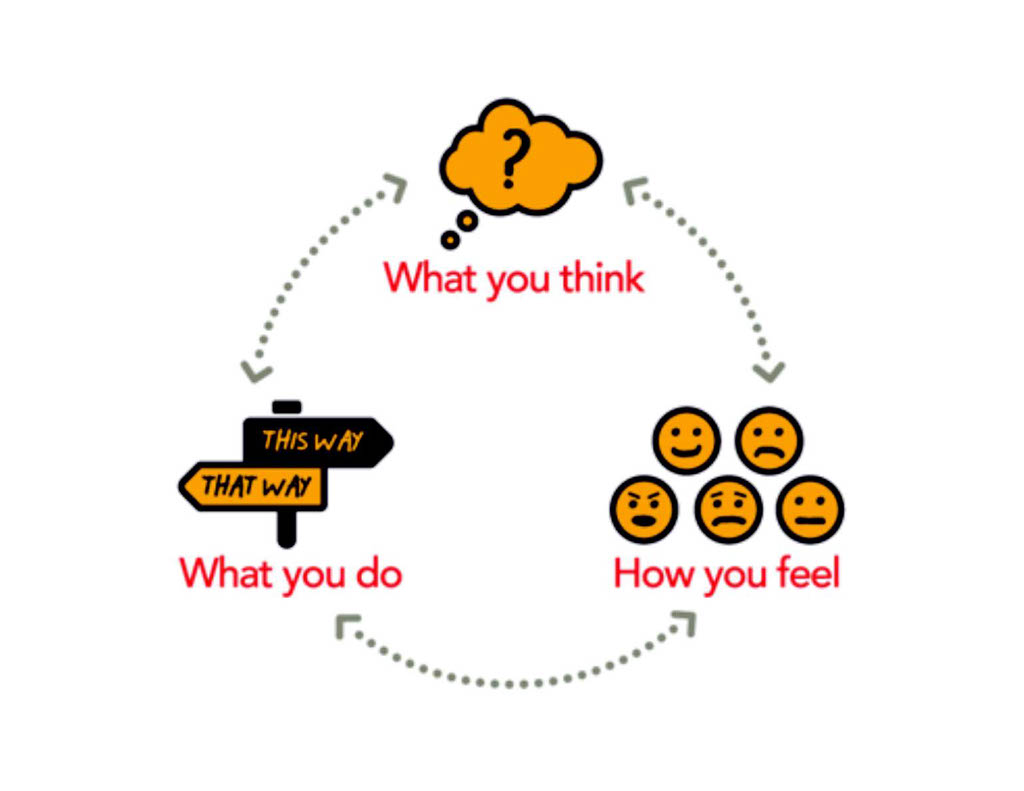
As a precursor to practicing cognitive reappraisal of stress, it is important to experience the many signals of one’s own stress and anxiety response in action. To begin, recall a recent stressful event. It is best to identify the stressful event in a sentence or two. Since stress is triggered by recognition of a threat either real or imagined, be sure your description represents that threat. For example, you wouldn’t say, “MY father-in-law called.” You’d say, “My father-in-law called to complain about my party planning.” Next, recall how you felt and what you thought as a result of this stress. If you can, try to recall as many emotions, feelings, and thoughts as you can. Working with a minimum of five thoughts will give you a good sample to work with later on when we explore their underlying beliefs.
Now let’s shift our attention to looking at how thinking impacts mood and behavior. Thoughts are shaped by an underlying foundation of beliefs. These beliefs can be positive or negative, adaptive or maladaptive. Negative thoughts arise from perceptions of threat, whether the threat is real or imagined. These thoughts are deeply conditioned and as such they arise automatically without the benefit of thoughtful reasoning. Another characteristic of these thoughts is that they are often exaggerations of the threat and as such they exacerbate our negative moods and feelings, making it more difficult to cope. As a result we get stuck in their negativity like a circular pattern that can be fueled by maladaptive behaviors.
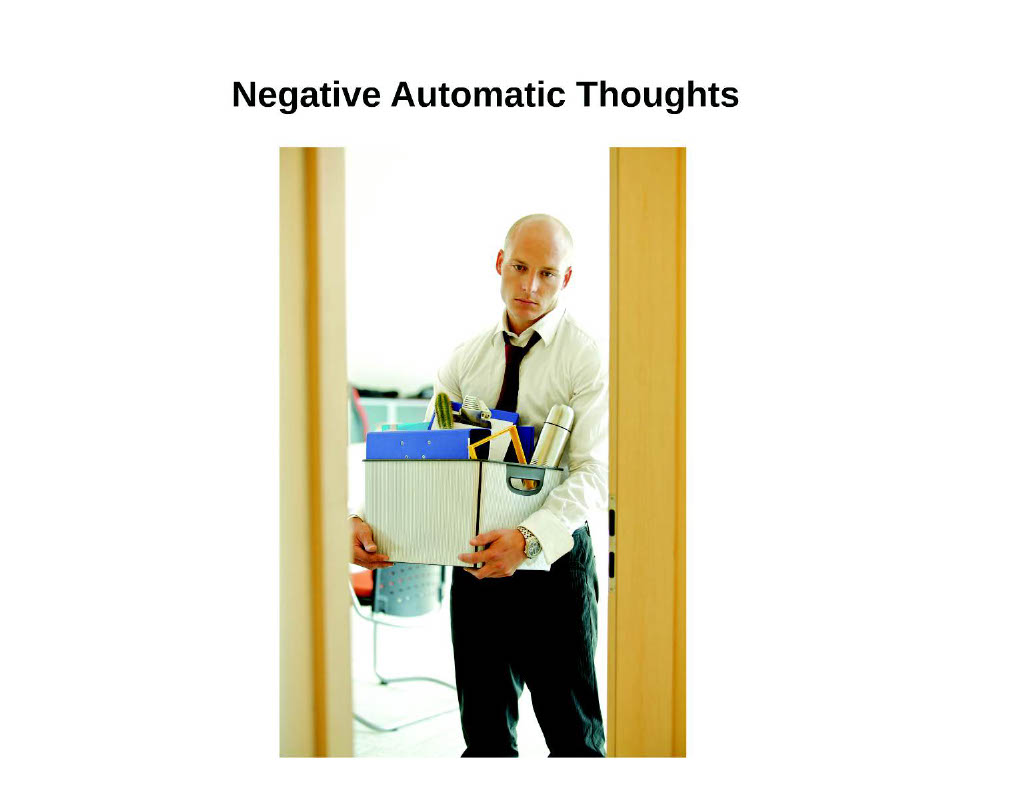
As an example, let’s say you lose your job. Your negative automatic thoughts might be: “I’m never going to find another job”, “I’m a loser,” “I never succeed at anything I do,” or “My life is ruined.” These negative automatic thoughts are distorted and might lead to negative behaviors, such as staying home or not talking to anyone about the situation, which creates even more motivation-stealing negative emotions such as fear of failure and depressed mood. While the initial negative thoughts in this situation signal stress which should be a trigger to spur us towards adaptive responses, distorted thoughts can set us up for a spiraling cycle of negative emotions, physical sensations and behaviors.
Contact Joanne Cantor Registered Psychotherapist
Location: 72 Ross St, Unit 7-03, Barrie, ON L4N 1K4
Phone: 705-818-0718
Email: [email protected]
- posted: Aug. 19, 2025
Therapy for Stress and Anxiety in Barrie, ON
This information is in conjunction with the Benson-Henry Institute for Mind Body Medicine at Massachusetts General Hospital and Joanne Cantor, Registered Psychotherapist.
Stress and Anxiety Awareness
The blog begins by establishing a foundation of stress and anxiety awareness, followed by an examination of several adaptive strategies to potentially stress and anxiety-inducing situations. These strategies are based on four key concepts:
Cognitive Reappraisal and Coping Skills
With roots in cognitive therapy this approach recognizes the link between thoughts and emotions and the crucial role they play in both the signaling of stress and anxiety, and the adaptive response of coping. A series of exercises help patients become more aware of their immediate responses to stressors and anxiety triggers, reflected in negative thoughts, emotions, physical sensations and behaviors. We then learn how to reframe our responses towards positive, adaptive thoughts, emotions, physical sensations and behaviors.
Positive Psychology
Our work also draws on the field of positive psychology, which emphasizes the expression of positive emotions and character strengths. Through a series of exercises and discussions, the cultivation of positive emotions will serve to not only buffer stress and anxiety, but enhance resiliency. We also address the unique features of creative expression, humor and laughter and the essential roles they play towards helping us build awareness and cope with stress and anxiety-related challenges and hardships.
Social Connectedness
We encourage and support three social correlates of health: social support, social capital, and altruism. We will also present a brief overview of empathy as an essential quality embedded in all aspects of social connectedness for managing stress and anxiety. Through various exercises, we explore the different types of social support and ways to increase social capital.
Three Essential Lifestyle Behaviors
Aerobic activity, balanced nutrition, and restorative sleep. In discussing healthy lifestyle behaviors, we provide their underlying mind body interactions which when shared with clients, becomes a powerful motivator towards their daily adherence for stress and anxiety reduction.
Understanding Your Stress and Anxiety Response
We start by building awareness of stress and anxiety triggers and personal reactions to stress.
Stress Awareness Exercises
- Energy Battery
- Stress Exposure: On a typical day notice the tone of communication your brain is exposed to by noting the percentages of communications (what you hear, read, or see) that are: negative, positive, and neutral.
- Awareness exercise: In 5 minutes list as many emotions as you can recall. Once done, count how many negatives versus positives. Were the negatives more easily recalled? Did you feel differently focusing on positives compared to the negatives?
- Biodot
- Coping Log- first four columns (Physical Sensations; Behaviors; Emotions; and Thoughts)
Energy Battery Exercise For Stress And Anxiety
A simple first step in understanding one’s own response to stress and anxiety can be accomplished through an exercise called the Energy Battery. Through this exercise, patients gain more awareness of what they find regenerating and what they find depleting in their lives.
Inner resiliency can be thought of as a rechargeable battery. Similar to a battery, the amount of energy stored changes after certain events. In this example you’ll see listed a series of experiences that recharge, as well as a list of experiences that drain. Experiences that drain the battery include anything that depletes you in some way or, in other words, contributes to your stress and anxiety. Experiences that recharge your battery include anything that in some way relaxes you or, in other words, builds your resiliency.
Please download and fill out the Energy Battery worksheet provided in the link provided here: On the depletion side of the worksheet, please list any stressors that drain you. On the recharging side, list those things that decrease your stress. This exercise should take about 10 minutes to complete. Afterwards, you may wish to reflect on your responses. For example, were there more depletions than recharges? Did the recharges seem to really revitalize you? Did you struggle to recall experiences that recharge you? Were recharges focused on doing something for someone else, rather than yourself?
Recognising Stress And Anxiety Warning Signals
The first step of effectively responding to stress and anxiety is to recognize when we are stressed. Since our stress response is a habituated response, we often react with the same recurring physical signs, emotions, and behaviors, which we refer to as “stress and anxiety warning signals.” These cues signal to us that our stress response has been activated.
While stress-warning signals differ from individual, for the purpose of easily identifying these stress-warning signals, we have grouped them into five primary types: Physical, Cognitive, Emotional, Behavioral, and Relational. You will likely notice that warning signals fall into more than one category. It is fine to include the same signals in multiple categories. To begin, here’s a definition of each categories:
- Physical: Bodily sensations and states experienced during stress or anxiety, such as headache, back pain, gastrointestinal difficulties, muscle tension, changes in appetite, and disrupted sleep patterns.
- Cognitive: Negative thoughts reflecting some expression of threat, deficits in working memory, concentration, and regulation of mood and behaviors.
- Emotional: Emotions derived from unique beliefs, such as anger from injustice, sadness from loss, and anxiety from lack of safety or control.
- Behavioral: Desire to eat simple carbohydrates, loss of appetite, immediate gratification behaviors such as smoking or drinking alcohol.
- Relational: Sense of connectedness to self and others, isolation, distrust, or avoidance.
There is also a spiritual component to the stress or anxiety response, which may overlap any of the categories above. Spiritual refers to your general outlook with respect to the meaning and purpose of life, and connection to the world and the people around you.
Biofeedback With Biodots For Stress And Anxiety Monitoring
Another tool to help us monitor and build awareness of our stress or anxiety response is the biofeedback measurement called biodot. Biodots are inexpensive dots made up of liquid crystals that change color in response to changes in temperature. Using biodots can help to build awareness of how you feel, physically and emotionally, when you're relaxed and when you're tense.
BIODOTS are non-toxic and completely safe for use on any external part of the body. The dots are supplied with the range of colors that correspond to different temperatures. Amber is the cold end color while violet indicate a warmer temperature. Once the temperature goes above its warmest set point, the dot will return to amber. You can find the biodots at www.biodots.net
Here’s how they work:
- Place a biodot between your thumb and index finger or on your inner wrist just above the break of your hand. It stays on longer when placed on your non-dominant hand and we suggest you apply clear tape over it to anchor it in place. Try to leave the dot on during a typical day for at least 10 hours.
- If the temperature around you is very hot or cold, the dot will more likely reflect the temperature of your environment and not your body’s stress or relaxation response. The most important feature is to notice changes in the dot up or down its color grid while in the same environment.
- A change up the color grid towards warmer temperatures indicates more relaxation, while changes down the color grid towards the colder temperatures indicates more stress.
BIODOT EXERCISE
- Look at the dot at least once per hour, but especially when you feel relaxed or tense. To gather information, fill out these five categories of information each time you look at the dot:
- Time
- Stress/Anxiety level (merely note the color of the dot)
- Activity
- Emotions
- Physical sensation
Here's a link to the biodot exercise worksheet: https://biodots.net/
Purposeful Positivity to offset Stress And Anxiety
Stress and anxiety trigger negative thinking which can become habituated. To offset this tendency, we can practice purposeful positivity; mindful attention to positive emotions and sensations to build resilience and weaken habitual anxiety-driven responses.
One good way to raise this awareness is through an exercise called Identifying Emotions and Positive Physical Sensations. Spend five minutes listing any emotion you can think of. In the right column, spend five minutes writing all positive physical sensations you can think of. Upon review of the emotions, place a “plus” next to any positive emotion, and a “minus” next to any negative emotion. What do you notice about the balance between positive and negative emotions? We have found that most identify negative emotions at a 3:1 ratio over positives. Now look at your list of positive physical sensations. What did you notice? Was this a more difficult list to generate? Did you begin to run out of descriptors soon after identifying commonly-referred-to sensations such as cool, warm, kissed, and tickled? The take-away learning here is that language helps us focus, and since there is a dearth of language for positive physical sensations, our experience of them can be compromised. However, if we pay closer mindful attention to positive sensations we can increase our experience of them. Examples might be the taste of vanilla ice-cream, the feel of your child’s hand, and the sound of a flute. Using Mind Body Techniques, we delve into the many ways mindful awareness offset stress/anxiety and support resiliency. Although mindful awareness of any pleasant sensation will increase your experience of them while also providing the added benefit of offsetting stress.
THINK-FEEL-DO-CIRCLE
As a precursor to practicing cognitive reappraisal of stress, it is important to experience the many signals of one’s own stress and anxiety response in action. To begin, recall a recent stressful event. It is best to identify the stressful event in a sentence or two. Since stress is triggered by recognition of a threat either real or imagined, be sure your description represents that threat. For example, you wouldn’t say, “MY father-in-law called.” You’d say, “My father-in-law called to complain about my party planning.” Next, recall how you felt and what you thought as a result of this stress. If you can, try to recall as many emotions, feelings, and thoughts as you can. Working with a minimum of five thoughts will give you a good sample to work with later on when we explore their underlying beliefs.
Now let’s shift our attention to looking at how thinking impacts mood and behavior. Thoughts are shaped by an underlying foundation of beliefs. These beliefs can be positive or negative, adaptive or maladaptive. Negative thoughts arise from perceptions of threat, whether the threat is real or imagined. These thoughts are deeply conditioned and as such they arise automatically without the benefit of thoughtful reasoning. Another characteristic of these thoughts is that they are often exaggerations of the threat and as such they exacerbate our negative moods and feelings, making it more difficult to cope. As a result we get stuck in their negativity like a circular pattern that can be fueled by maladaptive behaviors.
As an example, let’s say you lose your job. Your negative automatic thoughts might be: “I’m never going to find another job”, “I’m a loser,” “I never succeed at anything I do,” or “My life is ruined.” These negative automatic thoughts are distorted and might lead to negative behaviors, such as staying home or not talking to anyone about the situation, which creates even more motivation-stealing negative emotions such as fear of failure and depressed mood. While the initial negative thoughts in this situation signal stress which should be a trigger to spur us towards adaptive responses, distorted thoughts can set us up for a spiraling cycle of negative emotions, physical sensations and behaviors.
Contact Joanne Cantor Registered Psychotherapist
Location: 72 Ross St, Unit 7-03, Barrie, ON L4N 1K4
Phone: 705-818-0718
Email: [email protected]
Book a consultation today with Joanne Cantor Registered Psychotherapist.
Call (705) 818-0718 or BOOK A CONSULTATION ONLINE.
Visit our Office
72 Ross Street, Unit 7-03
Barrie, ON L4N1K4